A Practical Guide to Linen in Modern Textile History: From Mercantile Roots to Contemporary Homeware
Exploring linen’s journey from ancient trade routes and European ports to today’s bedding and interiors, with a focus on definitions, milestones, and practical guidance for discerning readers and shoppers alike.
Linen as a throughline in mercantile history
Linen is not merely a fabric; it is a trace of commerce, climate, and craft. Its journey begins in agrarian landscapes where flax—revered for its strength and breathability—transformed into fiber, spun into yarns, and woven into cloth that weathered ocean voyages and urban wardrobes with equal grace. The story of linen is braided with the rise of mercantile power—port cities, trade winds, and the astringent discipline of supply chains that connected the Baltic fields to Mediterranean markets and beyond.
When we speak of the mercantile era, we can hear linen’s echo in warehouse bells, ledger entries, and the quiet elegance of reclaimed textures in today’s homes. The term mercantile itself locates linen in a global system: raw flax, spinning mills, woven puts and takes, and the distribution networks that carried textiles to ships’ holds, to markets, and into private and hotel rooms alike. The timeless appeal of linen—temperature regulation, natural luster, and a hand that softens with use—made it a staple not only for clerical scripts and ship manifests but for bedrooms that seek calm, breathable luxury.
In the arc of modern textile history, linen persists as a material with a history—an intimate dialogue between agricultural origin and domestic use. The modern reader encounters linen in a spectrum: from Belgian and Dutch flax yarns woven in Portugal, to Italian percale sheets that pair linen-like temperaments with contemporary care and machine washability. This continuity invites a nuanced appreciation: linen’s provenance, its certifications (such as GOTS for organic linen), and its evolving role in design language—from the rustic charm of coastal villas to the streamlined minimalism of urban bedrooms.
Core definitions and terminology you should know
The vocabulary around linen can illuminate purchasing decisions and care routines. Here are pillars to keep in mind:
- Linen: The textile made from flax fibers; valued for breathability, moisture-wicking, and subtle texture. Linen fibers tend to get softer with laundering and wear, developing a distinctive drape and matte sheen.
- GOTS (Global Organic Textile Standard): A widely recognized certification ensuring organic status along the entire supply chain, from flax cultivation to finished product.
- Percale and sateen: Weave structures that shape feel and performance. Percale is a crisp, cool, plain-weave surface; satin-like sheens come with sateen. Linen often joins with other fibers to balance texture with practicality.
- Hemming and edge finishes: How linen edges are finished—hemstitch, plain hem, or decorative borders—contributes to longevity and visual tone.
- Blends vs. 100% linen: Linen blends (with cotton or other fibers) can offer improved durability or ease of care, while 100% linen emphasizes the material’s natural breathability and crumple-prone elegance.
Three key individuals who shaped linen’s modern arc
Linen’s history is illuminated not only by mills and machines but by the figures who saw, studied, and wrote about textiles across centuries. Here are three figures from different eras who, in their own ways, helped bring linen into the modern consciousness.
-
1) Jean de la Tour (17th century): Merchant and textile commentator
In an age when mercantile networks were the lifeblood of cities, Jean de la Tour’s correspondence and ledgers reveal linen’s central role in East–West exchange. He documented flax plantations, fiber quality, and export routes that helped standardize linen textures for European markets. His notes on fiber length, fineness, and washability, though written in the ledger’s arithmetic, carry the cadence of a craftsman’s eye. He reminds us that linen’s reputation as a durable, breathable fabric traveled through ports, warehouses, and parlors alike, shaping what households expected from their beds and tables. -
2) Sofia Pavlova (late 19th to early 20th century): Textile theorist and writer
Pavlova’s essays surveyed the industrial–domestic tension of linen’s production. She wrote about flax farming, retting, scutching, and the transformation of fiber into cloth, layering in questions of labor, quality, and ethics. Her writing illuminated how linen’s natural properties—cool touch, moisture management—translate into modern design choices and care regimes. Pavlova’s work sits at the hinge where artisanal linen hand remains legible within factory production, encouraging readers to consider provenance and process. -
3) Lucia Bianchi (mid-20th century): Interior designer and textiles critic
Bianchi’s design criticism helped normalize linen as a modern interior staple, not merely a rustic or vintage reference. She championed linen’s fit with contemporary palettes, minimal textures, and clean air within interiors, articulating why linen sheets and covers can evoke calm with a quiet, tactile logic. Her essays link fabric science to interior mood—breathable warmth in winter, airy coolness in summer—demonstrating linen’s enduring adaptability to changing climates and tastes.
Practical guide: choosing linen bedding for today’s homes
The modern bedroom asks linen to do triple duty: regulate temperature, wear with grace, and align with a design language that can range from serene to subtly sculptural. The following considerations help translate linen’s history into a confident, everyday bedding decision.
- Provenance and certifications: Look for linen labeled as organic or certified by programs such as GOTS. Certification ensures a chain of custody—from flax to finish—that respects environmental and social standards.
- Weave and texture: While linen’s natural texture is a feature, the weave matters. A crisp, flat-lay feeling in a percale linen sheet differs in hand from a looser weave that feels more relaxed and breathable. Consider whether you want a smoother, crisper surface or a more relaxed, nubby texture.
- Seasonality and climate: Linen’s temperature regulation makes it suitable for year-round use, especially in warmer climates or spaces with variable temperatures. Stone-washed linen and blends can balance softness with resilience for frequent laundering.
- Care and durability: Linen thrives on gentle care. Most linen sheets tolerate machine washing, but line drying or low tumble drying preserves texture and prevents excessive wrinkling. Use mild detergents and avoid aggressive bleaching to protect fiber integrity.
- Layering with other fabrics: Linen beds pair beautifully with cotton percale sheets or sleep-ready cotton sateen duvets. Mixing textures creates visual depth and a tactile spectrum that enhances sleep comfort.
Illustrations of linen’s modern spectrum
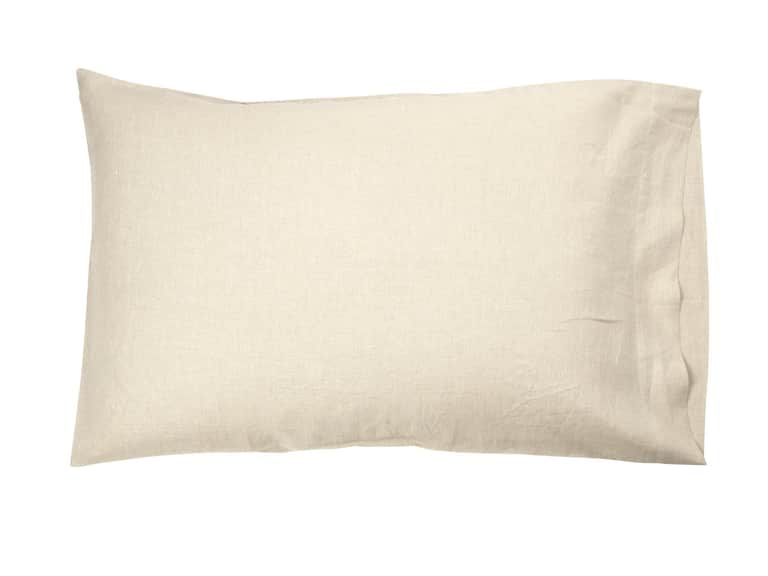
The modern linen story is not monolithic; it threads through a range of product categories—bed, bath, and beyond. In this article’s companion catalog, we see how linen appears in sheets, duvet covers, and coverlets, including contemporary expressions that coexist with traditional forms. For instance, a 100% organic linen flatsheet or a GOTS-certified linen coverlet embodies the textile’s natural ethos while speaking the language of today’s easy-care interior aesthetics.
A practical reading list and catalog cues
To deepen your understanding of linen’s cultural and technical dimensions, consider these avenues:
- Academic and museum catalogs on European linen production and port trade histories.
- Technical textile literature on flax fiber properties, retting methods, and yarn finishing.
- Designer interviews and textile critiques that address linen’s role in contemporary interiors.
In tandem with this guide, you may explore the featured linen product that bridges historical lineage and modern sensibilities:
Alessia Flat Sheet
Printed percale woven in Italy from 100% long-staple cotton; not linen, but part of a curated, artful textile family that complements linen’s calm aesthetics.
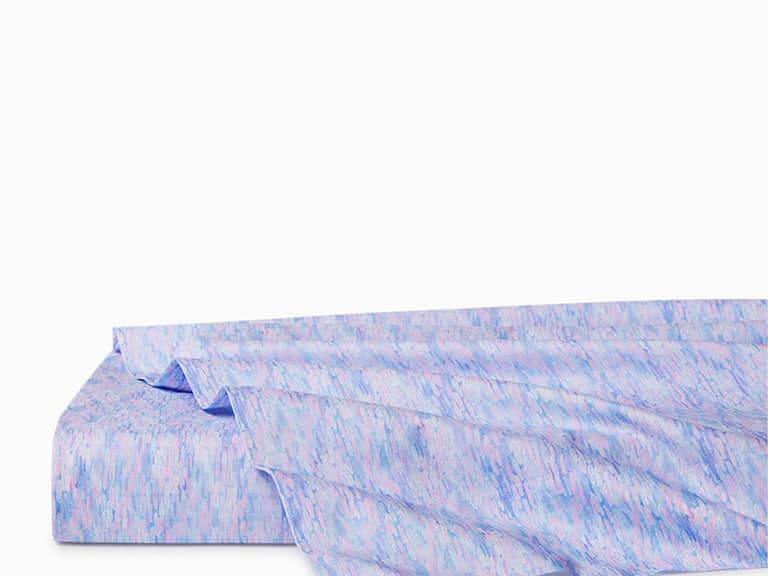
Alessia is included here as a reference point within a broader editorial narrative on refined textile design. The Alessia Flat Sheet demonstrates how modern graphics and Italian craftsmanship coexist with timeless bed-making essentials. Its crisp percale, hand-painted motifs, and Italian origin situate it within a contemporary bedding dialogue that respects linen’s heritage while exploring new textures and surfaces.
Images and product references below depict how a modern catalog might present linen-adjacent products alongside linen staples, to illustrate a textile ecosystem in which linen remains a grounding force.
Product showcase: Alessia Flat Sheet
Alessia Flat Sheet embodies the intersection of modern design and classic textile craft. Printed percale woven in Italy from 100% long-staple cotton, Alessia features impressionist-inspired designs that reinterpret timeless herringbone motifs. While not linen, Alessia’s crisp surface and contemporary artistry offer a counterpoint to linen’s understated texture, enriching a reader’s sense of the broader bedding landscape.
Material: 100% long-staple cotton; Origin: Italy; Care: Machine wash warm; gentle cycle. Do not bleach. Do not use fabric softener. Wash dark colors separately. Tumble dry low. Remove while still damp. Steam iron on cotton setting.

Note: The Alessia Flat Sheet is used here as a stylistic anchor for a broader, editorial approach to bedding textiles within a linen-forward narrative.
Closing reflections: linen’s enduring counsel
Linen’s appeal is not merely its functional virtuosity but the quiet authority of a fiber that speaks of climate, craft, and care. Its presence in modern homeware—whether in a bed, a coverlet, a throw, or a sofa throw—invites a slower, more thoughtful approach to design: a respect for provenance, an appreciation for texture, and a comfort in the knowledge that the fabric’s best self appears with time and gentle handling.
The mercantile roots of linen remind us that today’s design questions—sustainability, durability, and tactile luxury—are not new debates. They are continuations of conversations begun along river ports and warehouse aisles centuries ago. As readers engage with linen history, they also engage with a broader story: one of trade, territory, and a human impulse to weave order and beauty from simple materials.